Nmami Life
HomeAbout UsProgramsDietitiansRecipesBlogShopPricing
Log inBook consultation
Nmami Life

Evidence-based, dietitian-led nutrition by Nmami Agarwal. Real food, real science, real progress.

Programs

  • Weight loss
  • PCOS
  • Diabetes
  • Thyroid
  • Gut health

Company

  • About us
  • Our dietitians
  • Success stories
  • Contact

Resources

  • Recipes
  • Blog
  • Pricing
  • Help centre
© 2026 Nmami Life. All rights reserved.
PrivacyTermsRefundDisclaimer

Healthy Indian recipes

Wholesome, everyday recipes with the macros already worked out for you.

AllBeveragesBreakfastDessertsDinnerLunchSaladSnacksSoups
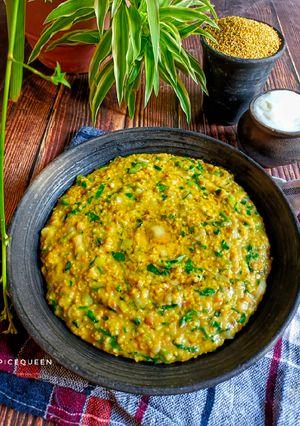
Methi garlic millet khichdi

Barnyard Millet provides complex carbohydrates, resistant starch, and high dietary fiber that slow glucose absorption and prevent post-meal insulin spikes. Fresh fenugreek provides soluble fiber and iron.

30 min 181 kcal
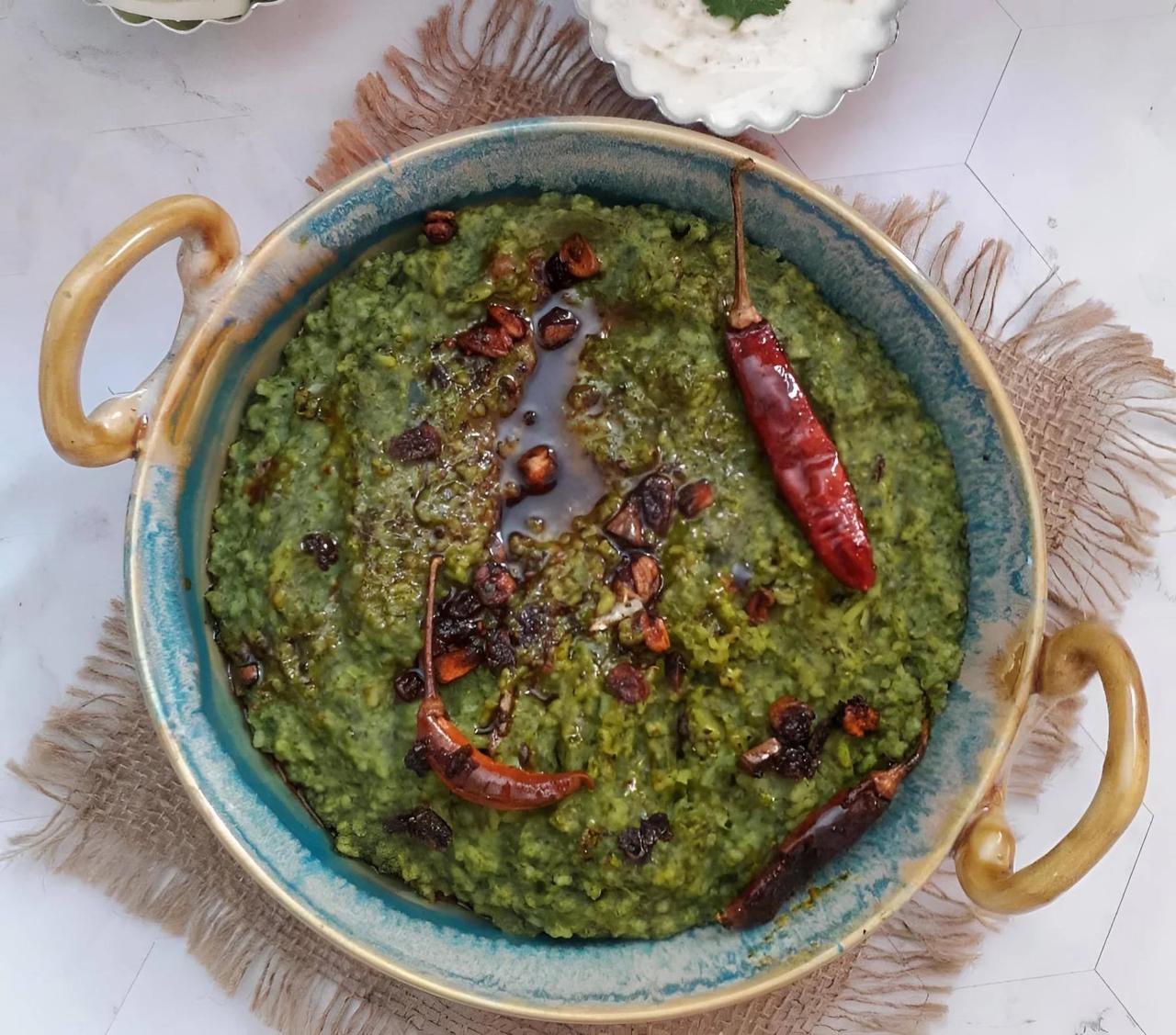
Palak Daliya Khichdi with garlic tadka and curd

Broken wheat (daliya) contains high amounts of soluble and insoluble dietary fiber, providing a slow, steady release of glucose into the bloodstream to prevent postprandial insulin spikes. Spinach contributes beta-carotene, non-heme iron, and folate. Pairing gut-friendly dietary prebiotic fiber from broken wheat and garlic with the live probiotic cultures in fresh curd supports gut microbial balance and smooth motility.

30 min 315 kcal
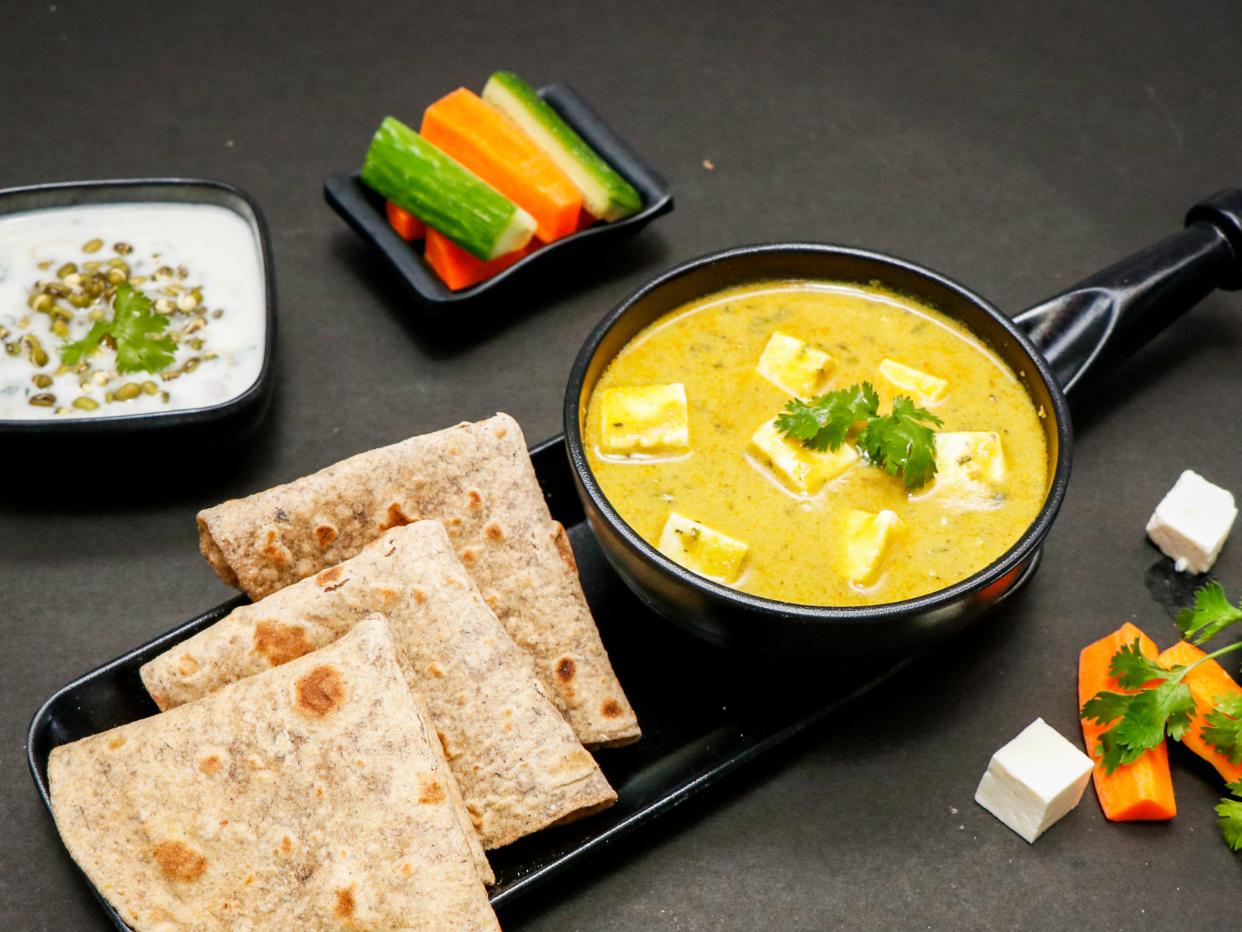
Methi Matar Paneer with Multigrain Roti

Nutritional Benefits Fresh paneer provides complete dairy protein (casein and whey) rich in branched-chain amino acids (BCAAs). Fresh fenugreek, i.e., methi, improves insulin sensitivity.

45 min 420 kcal
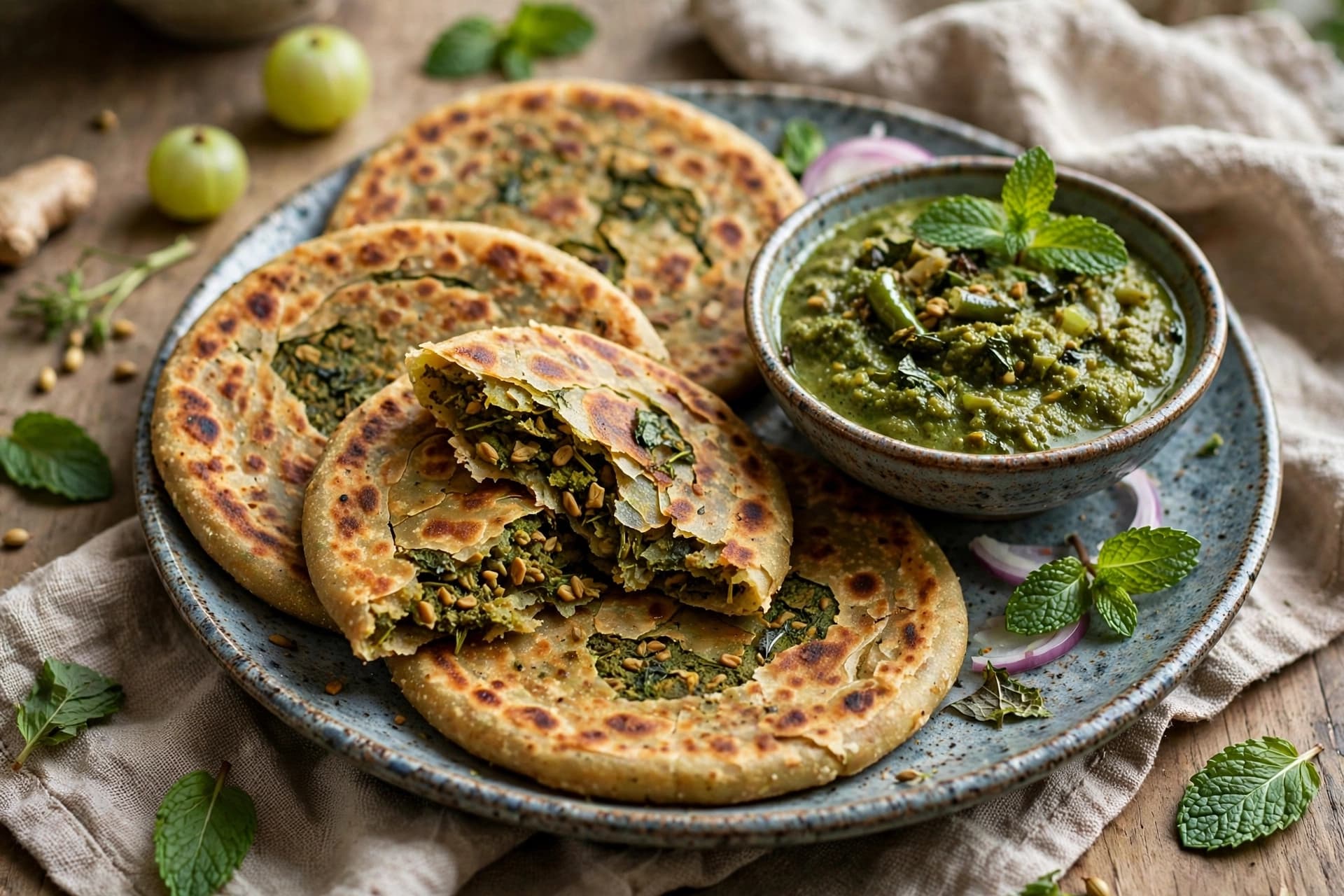
Methi stuffed paratha with Amla mint chutney

Nutritional Benefits: Fresh fenugreek leaves are rich in soluble fiber (galactomannan) and antioxidant polyphenols, which help slow gastric emptying, blunt postprandial glucose spikes, and improve insulin sensitivity. Whole wheat provides complex carbohydrates. Amla is one of the richest whole-food sources of heat-stable vitamin C, enhancing non-heme iron absorption from the fenugreek and whole wheat. Fresh mint leaves and roasted cumin promote digestive motility and reduces bloating.

30 min 365 kcal
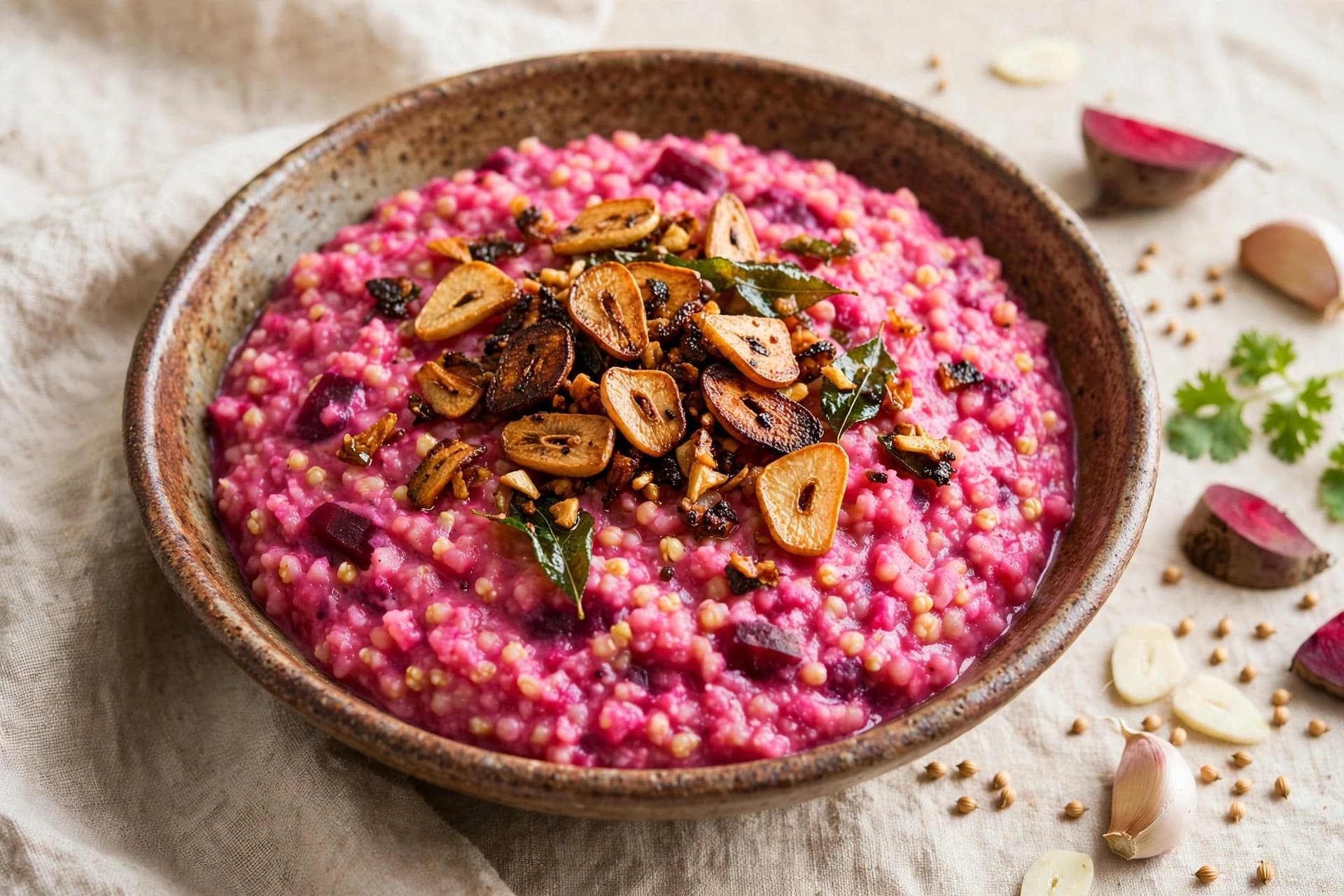
Jowar beetroot khichdi with burnt garlic tadka

Nutritional Benefits : This vibrant khichdi combines complex carbohydrates and dietary fiber from (jowar) and yellow moong dal with the earthy sweetness of fresh beetroot, balanced by a smoky, aromatic burnt garlic tempering.

20 min 143 kcal
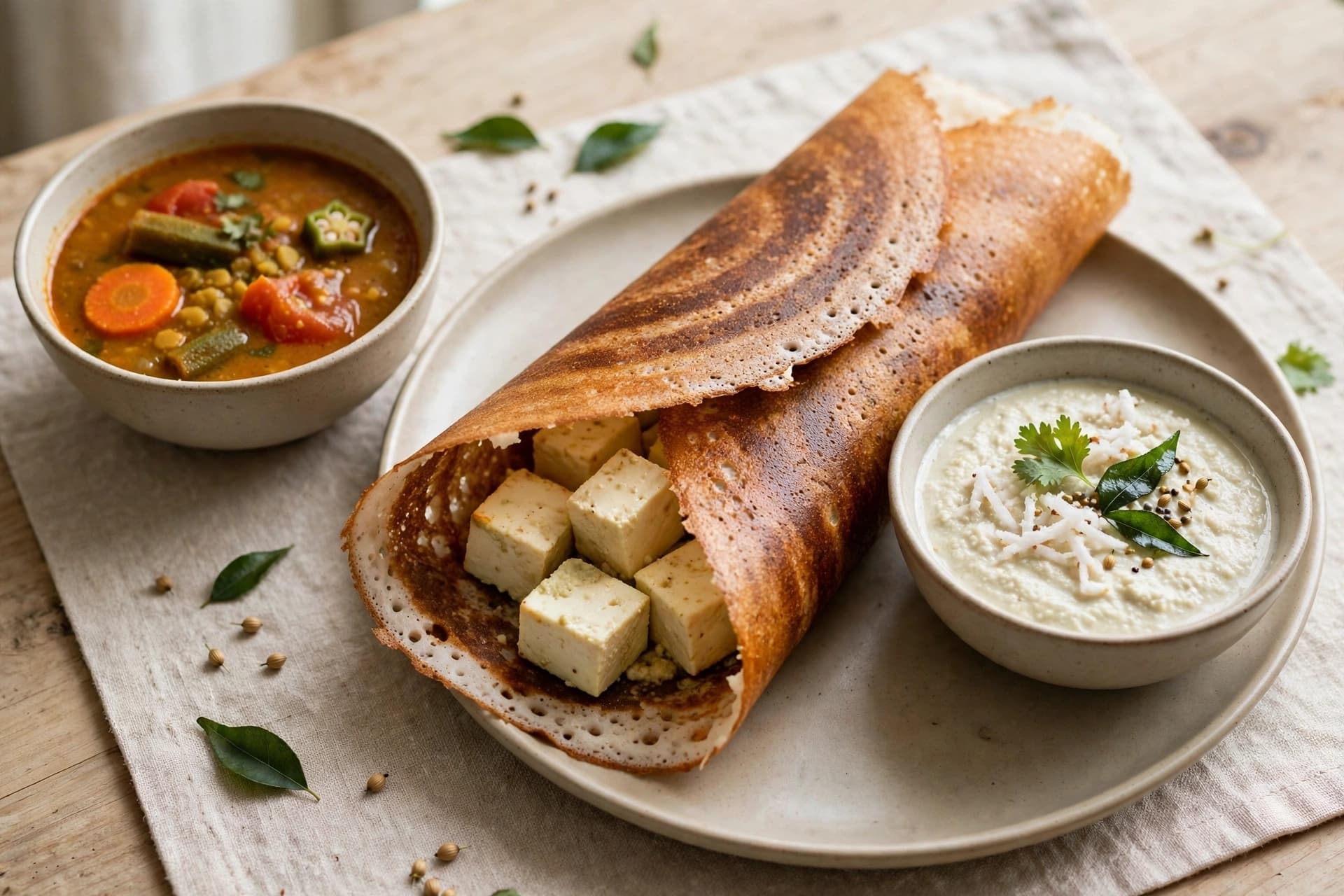
Ragi Dosa (Stuffed with paneer) with coconut chutney + sambhar Nutritional Benefits :
30 min 386 kcal
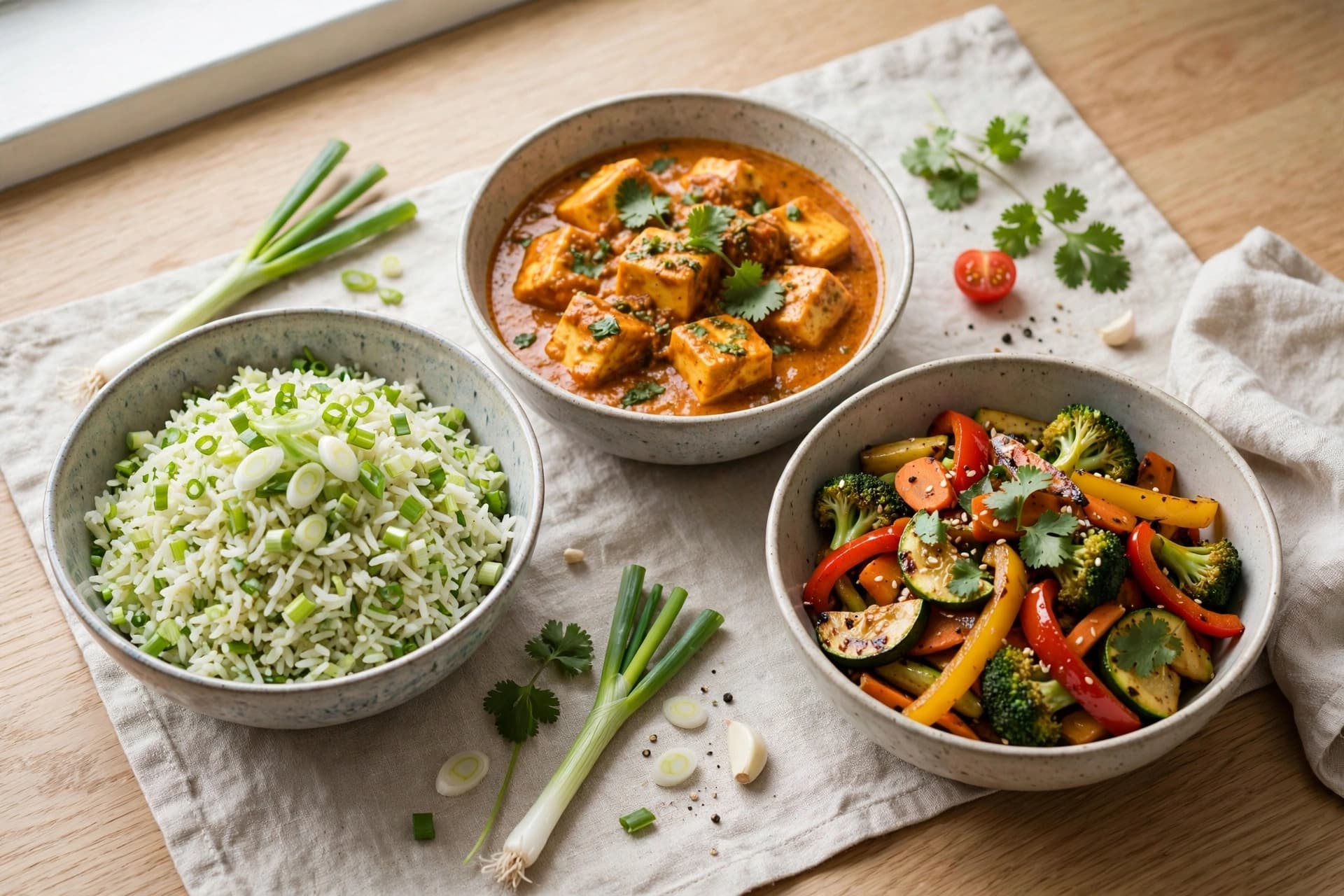
Spring onion rice with Paneer curry + stir-fried veggies

Nutritional Benefits : Panner gives good amount of protein and vegetables are rich source of fiber vitamins and antioxidants

40 min 455 kcal
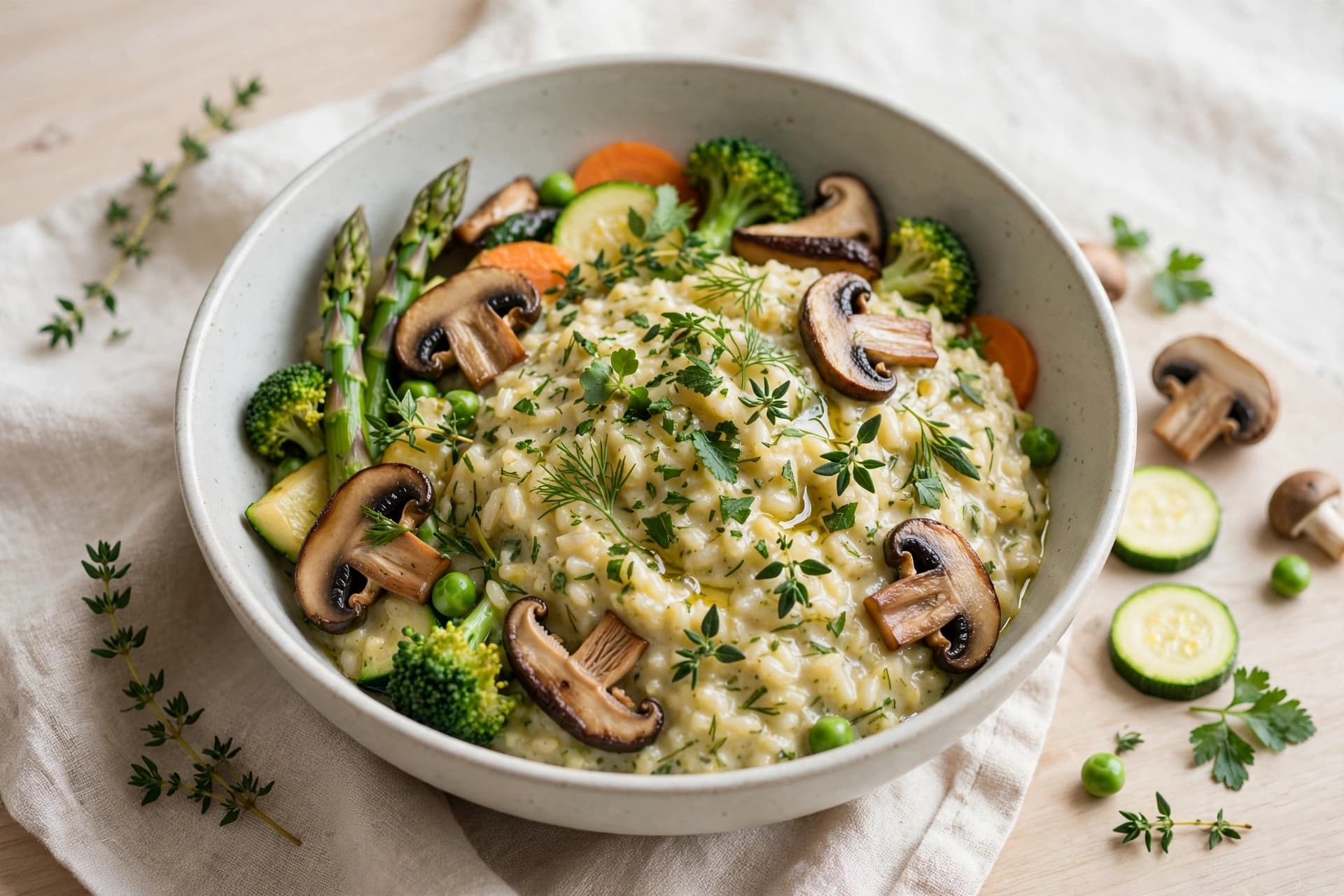
Herbed Millet Risotto with Steamed Seasonal Vegetables and Mushrooms

Introduction Risotto is known to be a rich, buttery, and oily dish where white rice is cooked to a creamy consistency with heaps of cheese and fat. This healthy take on the classic comfort food uses foxtail millet (kangni) in place of the usual arborio rice to create an equally delicious, yet lighter dish. Millet is a tiny grain that becomes tender and creamy when slow-cooked and stirred with patience, just like risotto. Everything is cooked in oil-free warm stock, with browned mushrooms adding umami depth, steamed seasonal veggies bringing brightness and crunch, and a dollop of hung curd at the end providing a tangy creaminess without dairy. Fresh herbs and a splash of lemon juice brighten up this hearty and wholesome meal that is naturally gluten-free and gentle on the stomach. Nutritional Benefits: Millet provides fiber, minerals like magnesium and iron, and it digests slower than white rice, keeping you fuller for longer. Mushrooms add B vitamins and umami, while broccoli, carrot, and peas contribute fiber, vitamins, and minerals. The hung curd adds protein and creaminess without the calories of cream, and using stock instead of oil keeps this dish light.

50 min
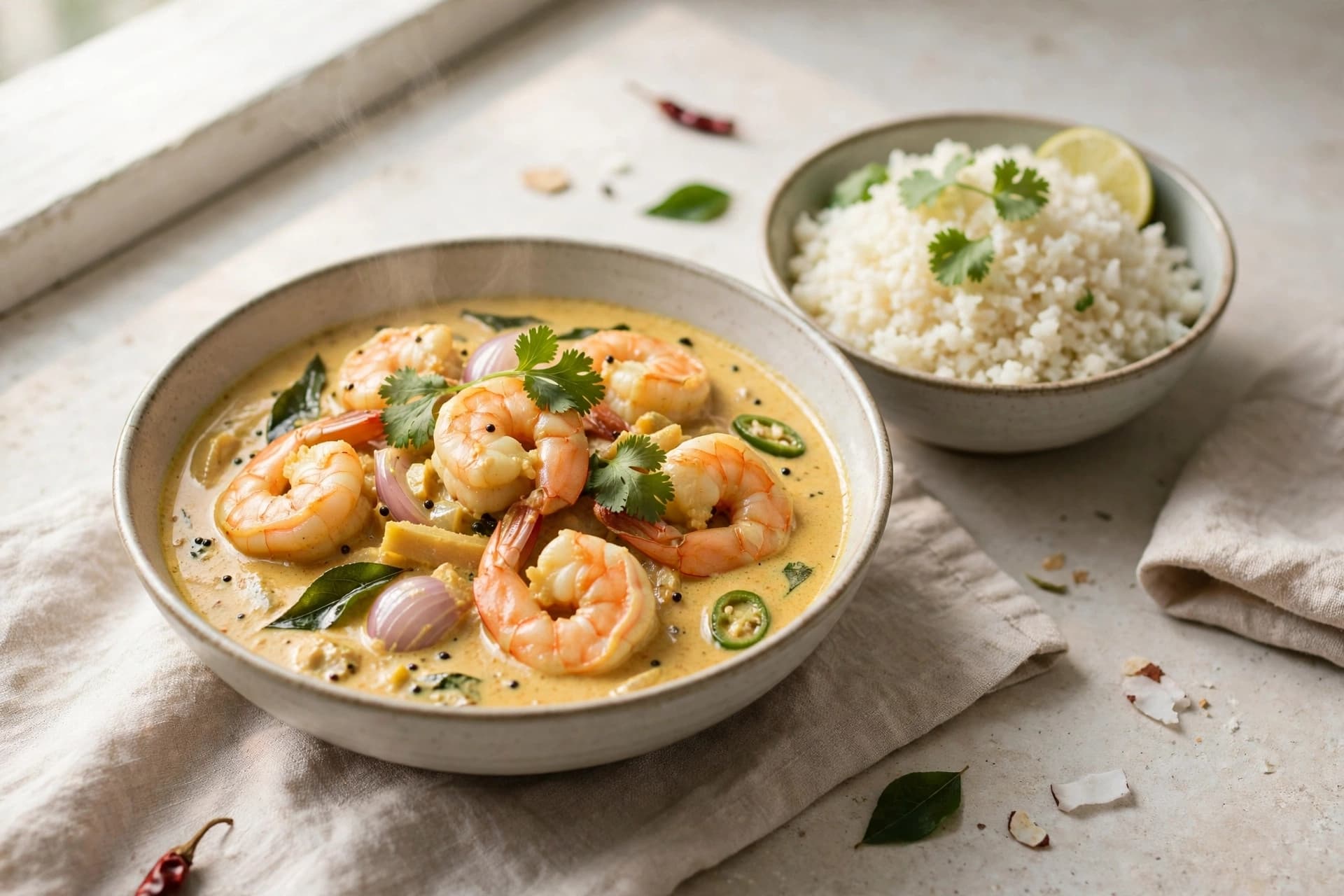
Malabar Coconut Shrimp Curry with Cauliflower Rice

Introduction This recipe is inspired by the coastal cooking of Kerala, where shrimp is cooked in a coconut milk base infused with mustard seeds, curry leaves and tamarind. The curry is kept largely traditional, as coconut milk and whole spices are what make Malabar cooking distinctive: the change comes on the side, as cauliflower rice replaces steamed rice, giving the meal fewer refined carbohydrates while still providing the curry with a base to sit on. It is a dish that fits a lunch or dinner where one wants the flavour of a coastal curry but without the heaviness of a large bowl of white rice. Nutritional Benefits Shrimp is one of the leanest sources of animal protein available, offering a large amount of protein at relatively few calories, as well as selenium and vitamin B12. Coconut milk offers medium-chain triglycerides, a type of fat the body metabolises differently from most saturated fats, although it is calorie-dense and here it is used in a single measured cup rather than poured liberally. Mustard seeds and curry leaves, standard to Malabar cooking, provide antioxidants and are traditionally associated with aiding digestion. Cauliflower rice is the other major contributor to the dish: it has significantly fewer carbohydrates and calories than steamed rice of the same volume, but still provides fibre, vitamin C and vitamin K, making it a practical substitute for those monitoring their carbohydrate intake without wanting to give up a rice-and-curry meal.

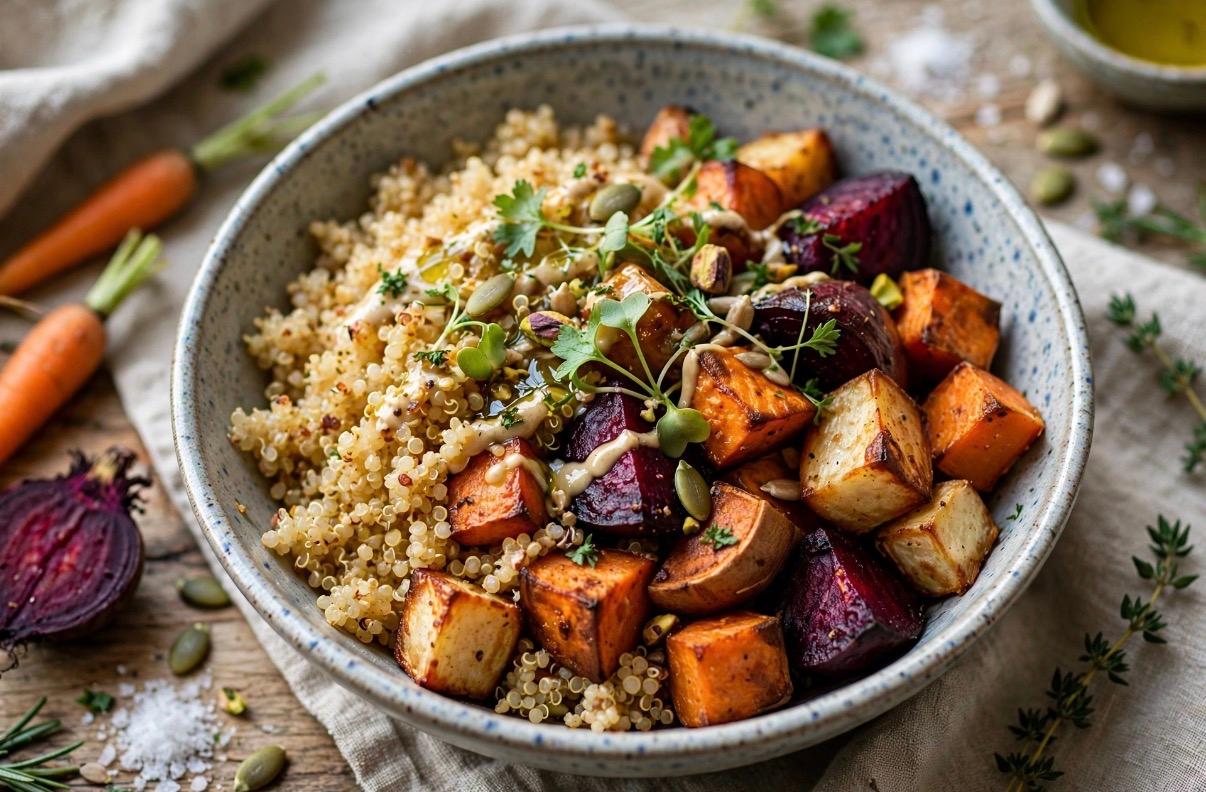
Toasted Quinoa and Roasted Root Vegetable Bowl

This bowl takes a slightly different approach from the rest of the recipes in this collection, using quinoa in place of a millet and building the plate around roasted vegetables rather than a curry. Toasting the quinoa lightly before boiling it brings out a nuttier flavour, and roasting the sweet potato, beetroot and carrot concentrates their natural sweetness, so the dish needs very little additional seasoning beyond salt, pepper and a squeeze of lemon. It is a good choice for a lighter dinner, or for anyone wanting a meal that leans more toward a salad bowl than a traditional Indian curry and roti plate. NUTRITIONAL BENEFITS Quinoa is a complete protein containing all nine essential amino acids and is naturally gluten free. Sweet potato, beetroot and carrot bring beta carotene, folate and antioxidants, while pumpkin seeds add healthy fats and zinc.

30 min 620 kcal
Quinoa
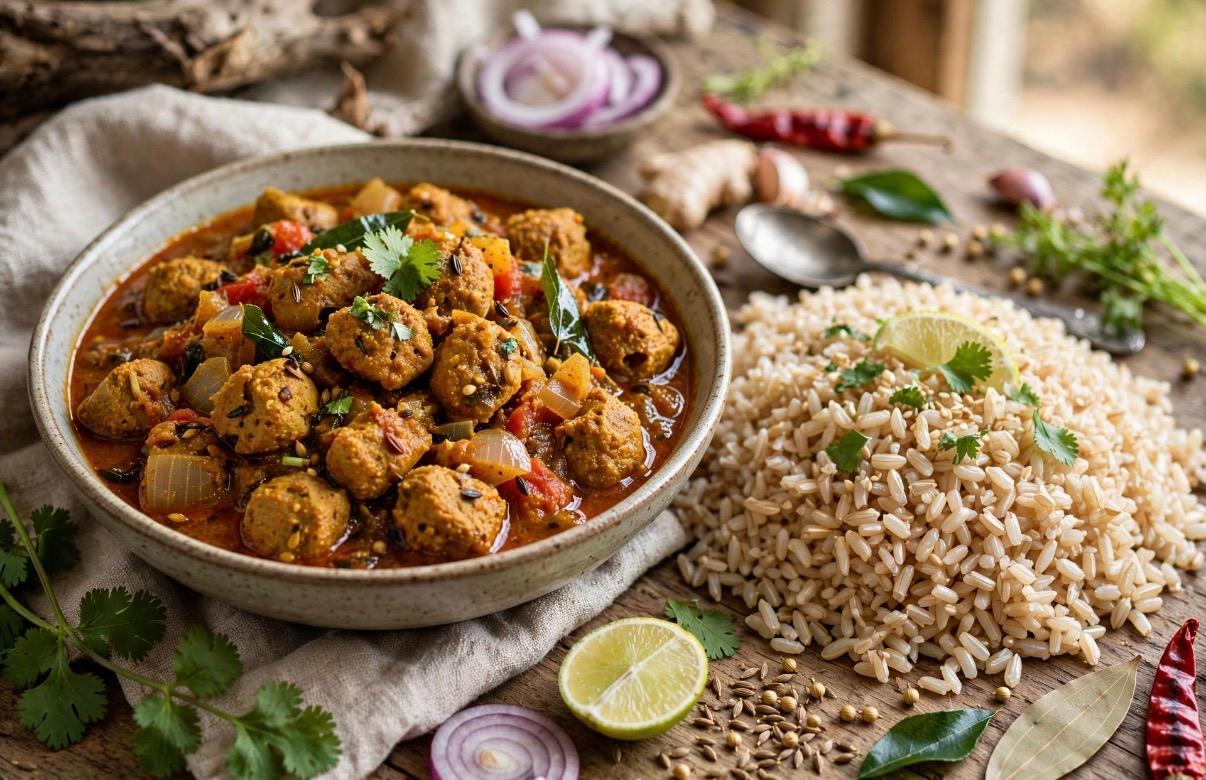
Soybean Chunks Curry with Brown Rice

Soy chunks, also known as meal maker or textured vegetable protein, are one of the most cost effective plant protein sources available in an Indian kitchen, and this curry uses them in a familiar onion tomato base that needs no special ingredients. Pairing them with brown rice instead of polished rice adds a fibre rich grain to the plate, which slows down digestion and helps the meal keep you fuller for longer. This is a practical option for anyone who wants a high protein dinner on a modest grocery budget, or is looking for a vegetarian alternative to a meat based curry. NUTRITIONAL BENEFITS Soybean chunks are one of the most concentrated plant protein sources available and also supply iron and calcium. Brown rice retains its bran layer, adding fibre, B vitamins and magnesium compared to polished rice.

30 min 720 kcal
Soya
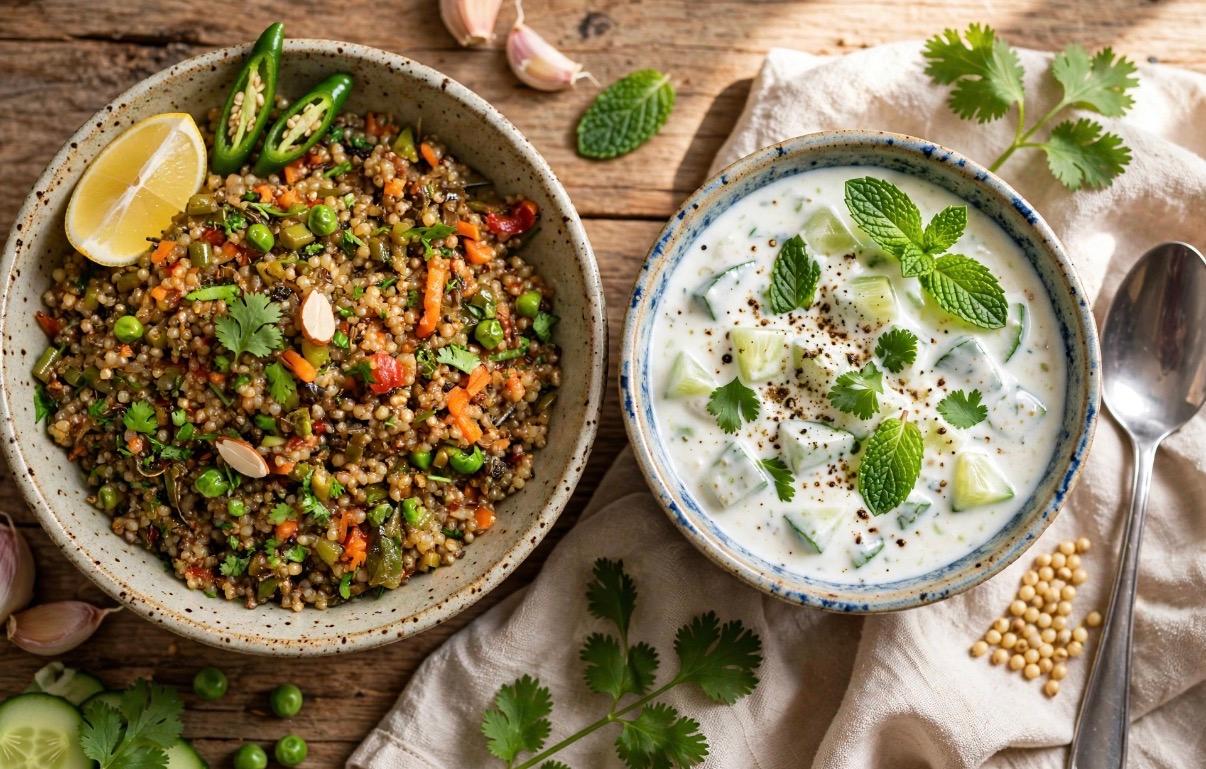
Bajra Vegetable Pulao

Bajra pulao is a good example of how a millet can be cooked exactly the way rice is, without any change in method or effort, which makes it an easy substitution for households looking to move away from polished rice on a regular basis. Cooking the bajra in a single pot with a mix of vegetables and whole spices keeps the process simple, and the result is a meal that needs nothing more than a side of curd or a light raita to feel complete. It works well for busy evenings when there is limited time to cook but the meal still needs to be filling and nutritious. NUTRITIONAL BENEFITS Bajra is rich in fibre, iron and magnesium, and has a lower glycemic index than polished rice. The mixed vegetables add beta carotene, vitamin C and further fibre, rounding out the meal.

20 min 680 kcal
Pulao
Green Moong Sprouts Curry with Jowar Roti

Sprouting moong at home is one of the simplest ways to add a fresh, protein rich ingredient to a weeknight dinner without any special equipment or planning beyond a day of soaking and sprouting. This curry keeps the preparation straightforward, letting the sprouts hold their texture rather than cooking them down completely, and pairs them with a jowar roti that brings in a gluten free grain alongside the pulse. Together they make a dinner that sits light on the stomach, which is particularly useful for anyone eating close to bedtime or recovering from a heavier lunch. NUTRITIONAL BENEFITS Moong sprouts are a good source of plant protein, folate and vitamin C, and become easier to digest once sprouted. Jowar is naturally gluten free and rich in fibre, iron and magnesium, helping to keep blood sugar levels steady through the evening.

20 min 640 kcal
Sprouts
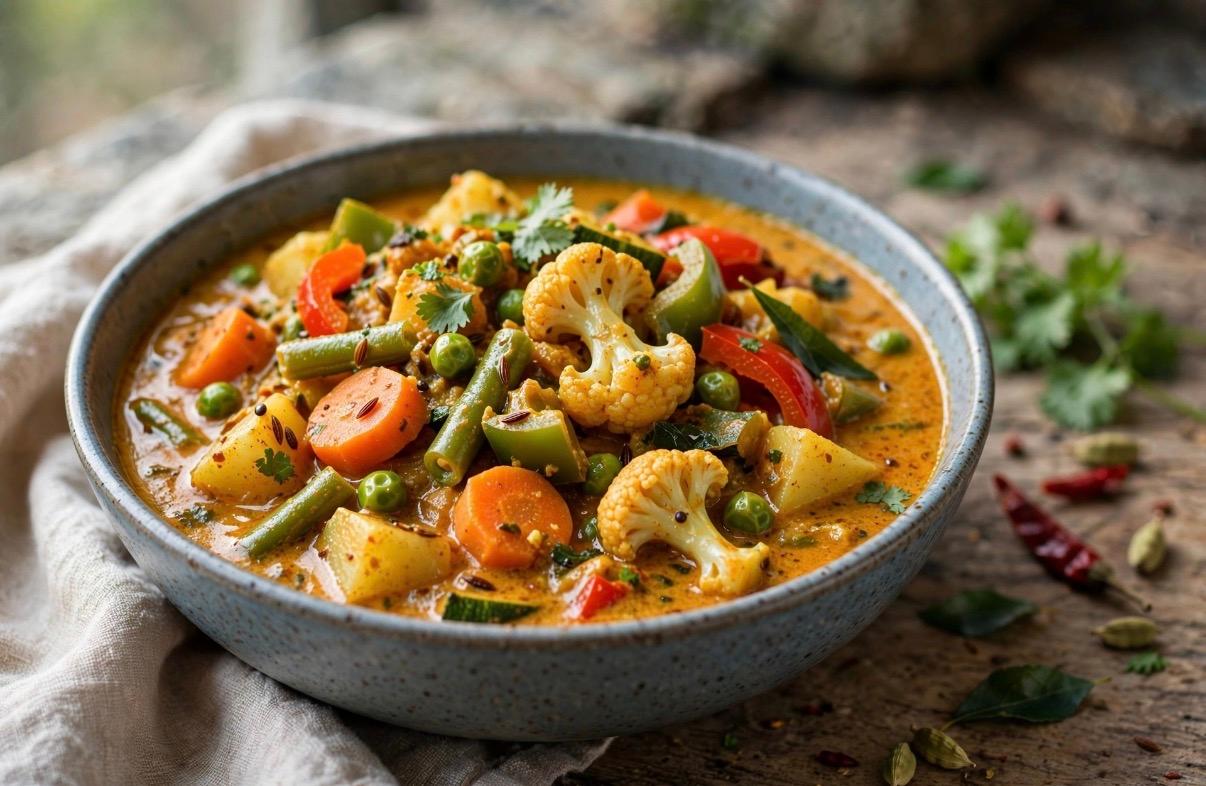
Mixed Vegetable Curry

Some dinners work best as a supporting dish rather than the centrepiece, and this mixed vegetable curry is built for exactly that. Cauliflower, beans, carrots, peas and capsicum are cooked together in a light onion and tomato base, keeping the oil to a minimum so the vegetables themselves stay the focus. It pairs naturally with a bowl of dal, a khichdi or a couple of rotis, making it a flexible addition to any of the other dinners in this collection. Nutritional Benefits Using five different vegetables in one dish spreads out the range of vitamins and minerals on the plate far more than a single vegetable curry would. The dish stays light in calories and fat, since it depends on a modest amount of oil rather than a heavy gravy base.

20 min 170 kcal
Vegetable
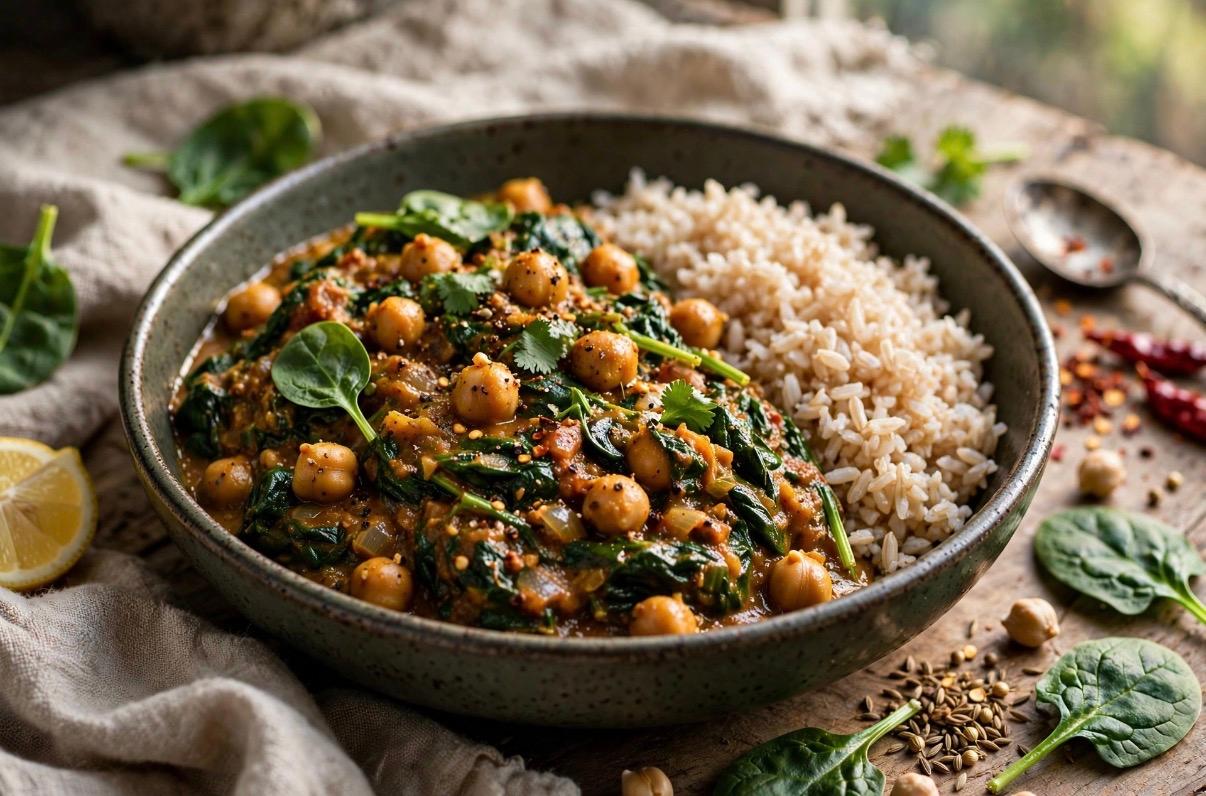
Spinach and Chickpea Curry with Brown Rice

This curry leans on two ingredients that work particularly well together, chickpeas for staying power and spinach for the iron and greens a dinner often lacks. Built on a simple onion and tomato base, the curry comes together without needing a long list of spices, and it holds up well the next day, which makes it a practical option to cook in a slightly larger batch. Served over brown rice, it turns into a complete, filling dinner. Nutritional Benefits Chickpeas are a strong source of plant protein and fibre, which helps the meal stay satisfying for longer. Spinach contributes iron, folate and vitamin K, and brown rice retains its bran layer, adding more fibre and B vitamins than a refined grain would.

30 min 600 kcal
Chickpea
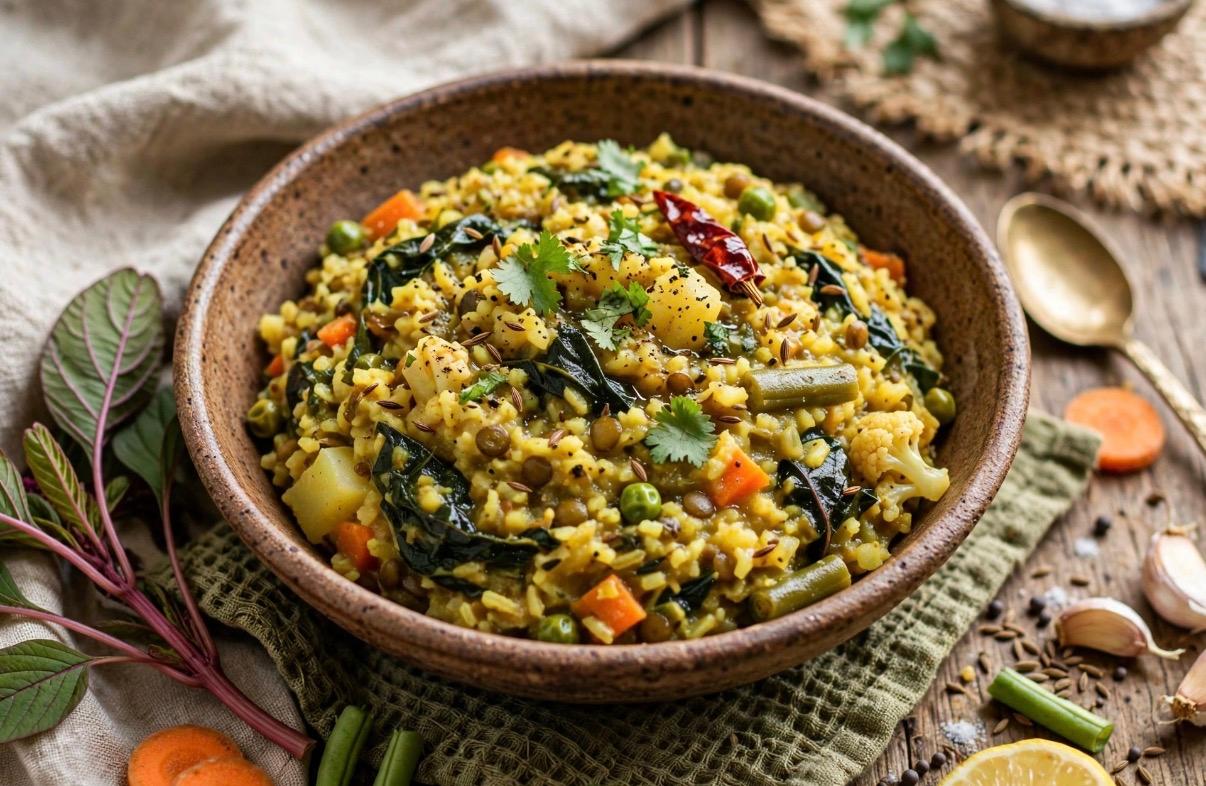
Amaranth Vegetable Khichdi

Amaranth, known as rajgira in many Indian kitchens, is usually reserved for festival cooking, but it works just as well as an everyday grain. This khichdi cooks amaranth alongside split moong dal and a mix of vegetables until everything softens into a single pot dinner with a texture similar to a traditional khichdi. It is a useful way to bring a less common grain into a regular dinner rotation without changing the method much at all. Nutritional Benefits :- Amaranth carries more protein and calcium than most common grains, and its amino acid profile complements the moong dal well. The mixed vegetables add fibre and a range of vitamins, making the dish more complete than a grain and lentil combination on its own.

30 min 620 kcal
Khichdi
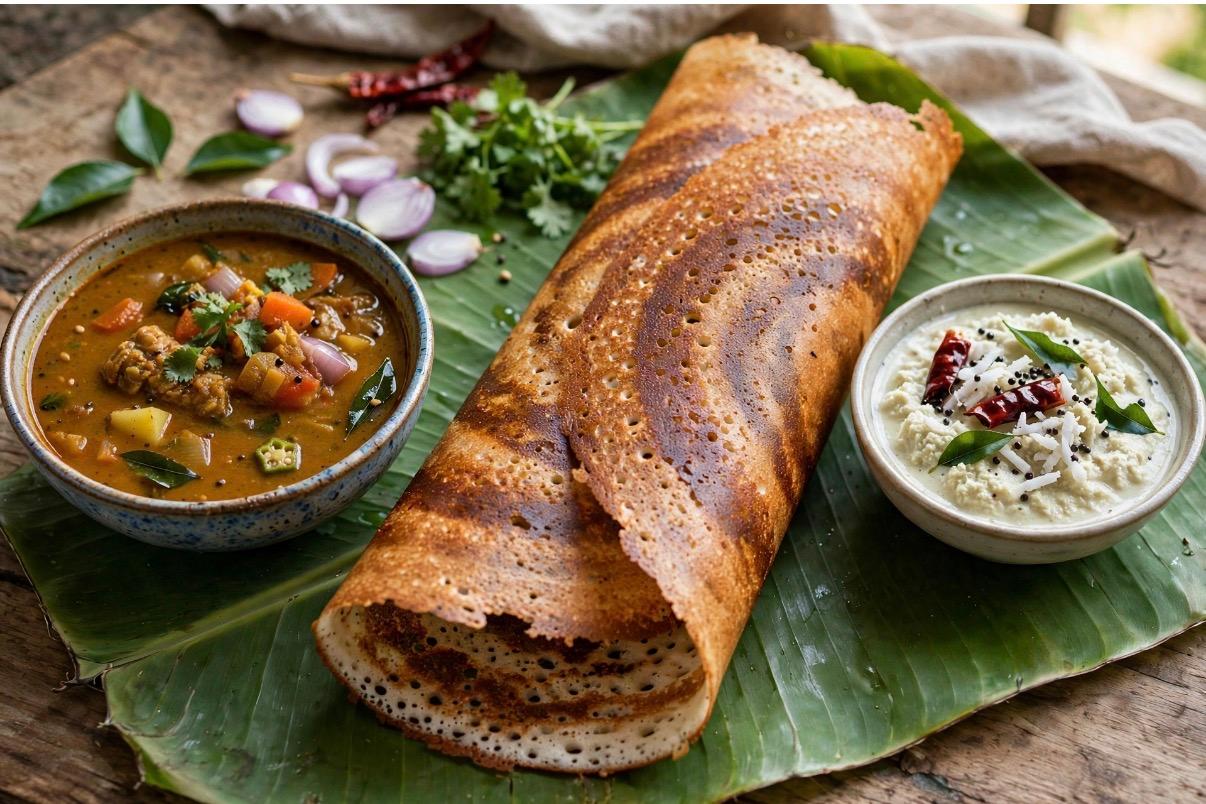
Ragi Dosa with Sambar

Ragi, or finger millet, rarely gets the attention it deserves outside of a few regional kitchens, yet it is one of the more nutrient dense grains available. This dosa uses a ragi and rice flour batter that needs no fermentation, so it can be mixed and cooked within the hour rather than planned a day ahead. Paired with a simple tur dal sambar, the combination brings together a millet, a lentil and a mix of vegetables in one dinner. Nutritional Benefits Ragi is a good source of calcium and iron, both of which are otherwise easy to under-consume in a grain heavy diet. Tur dal in the sambar adds plant protein, while the mixed vegetables contribute fibre and a range of vitamins, rounding out the meal.

34 min 1060 kcal
Dosa
Moong Dal khichdi
Moong Dal khichdi

Khichdi is one of the most trusted comfort meals in Indian households, and for good reason. This version brings together split moong dal and rice with a handful of vegetables, cooked down into a soft, one pot dinner that needs almost no attention once it goes into the cooker. It is the kind of meal that sits light on the stomach, making it a dependable choice on evenings when the body needs something simple rather than elaborate. Nutritional Benefits Rice and moong dal together form a complete protein, since the amino acids missing in one are supplied by the other. The added vegetables bring in fibre and vitamins, while turmeric and cumin support digestion, making the dish gentle enough for a late dinner.

30 min 790 kcal
Khichdi
Paneer and  spiced Vegetable Stir-Fry with Brown Rice
Paneer and spiced Vegetable Stir-Fry with Brown Rice

Stir-fries are a fast way to get a wide mix of vegetables onto the plate, and this version pairs paneer with a colourful mix of vegetables tossed together in a hot pan. Brown rice on the side adds a slower burning carbohydrate than white rice, to keep the meal satisfying for longer. The dish comes together swiftly once the vegetables are chopped, making it a strong option for a weekday dinner. A light sauce built from soy sauce and garlic keeps the flavor simple without relying on any added sugar. Nutritional Benefits Paneer supplies protein and calcium, while the mixed vegetables such as broccoli, carrot and bell pepper add fibre, vitamin C and antioxidants. Brown rice retains its bran layer compared to white rice, which means it carries more fibre and B vitamins into the meal.

20 min 786 kcal
Pulao
Pea and Carrot Quinoa Pulao

Pulao is usually built around rice, but swapping in quinoa turns a familiar comfort dish into a meal with considerably more protein and fibre. The method is close to a traditional pulao, using whole spices bloomed in a little ghee before the vegetables and grain go in. The result is a one pot dinner that is light on effort and satisfying enough to not need a separate side dish. Nutritional Benefits Quinoa is a complete protein that also supplies fibre, iron and magnesium. Mixed vegetables round out the dish with additional fibre and micronutrients, making it a balanced choice for a light dinner.

30 min 807 kcal
Pulao
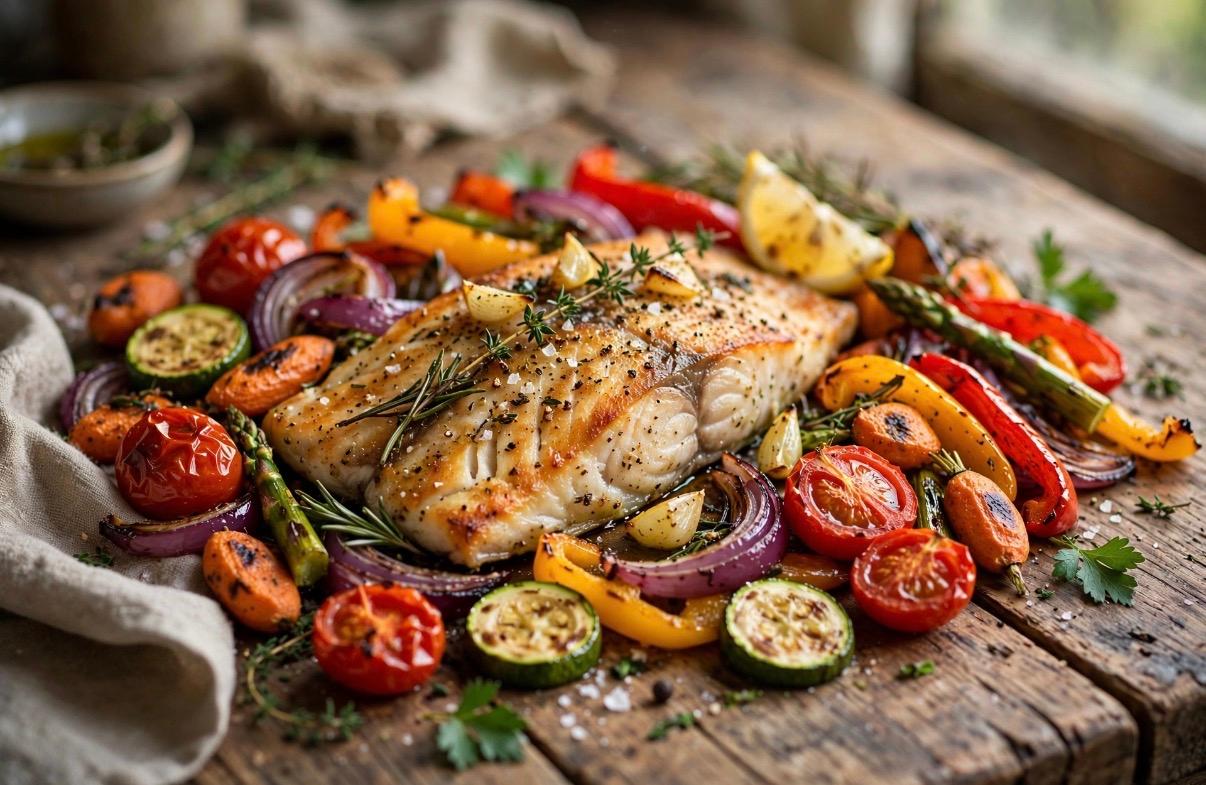
Baked Fish with colourful Vegetables

Baking is one of the simplest ways to cook fish without adding unnecessary oils, and this one tray version keeps cleanup to a minimum. The fish and vegetables are placed in the oven together, seasoned with lemon, garlic and dried herbs to allow the flavors to build. It is a practical choice for a weekday dinner when time is short but the meal still needs to feel complete. NUTRITIONAL BENEFITS Fish is an excellent source of lean protein and omega 3 fatty acids that support heart health. Roasting the vegetables alongside preserves their fibres and vitamin content while keeping added fat to a minimum.

35 min 442 kcal
Fish
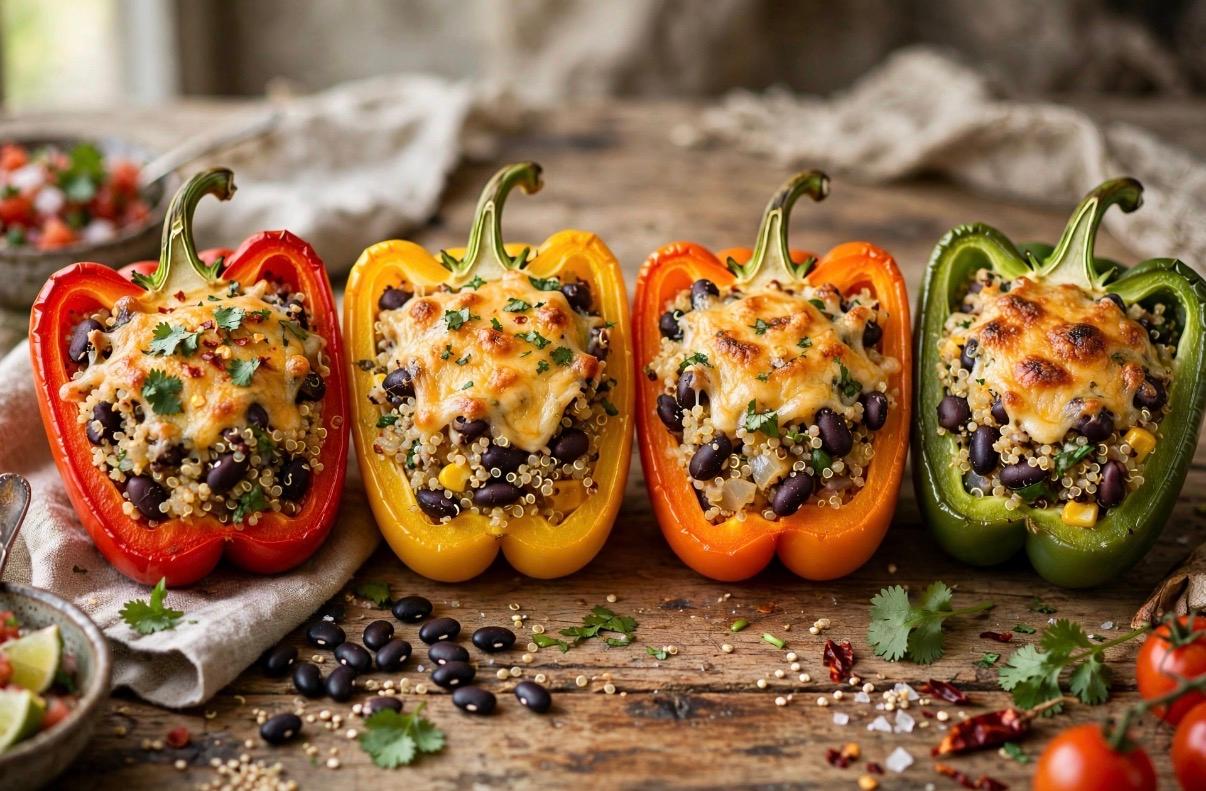
Stuffed Bell Peppers with Quinoa, Black Beans and Cheese

Stuffed peppers turn a few pantry staples into a dinner that looks like far more effort than it actually takes. Bell peppers are hollowed out and filled with a mix of cooked quinoa, black beans and a modest amount of cheese, then baked just long enough for the cheese to melt and the peppers to soften slightly. The dish holds its own as a complete dinner as the filling brings grain, plant protein and vegetables together in a single bite. It also travels and reheats well, making it a practical option to prepare ahead of time. Nutritional Benefits Quinoa contributes a complete protein along with fibre and iron and black beans add further plant protein to keep the meal filling. Bell peppers are a good source of vitamin C, and a light layer of cheese rounds out the dish with calcium without tipping it into a heavy meal.

35 min 662 kcal
Bell Pepper
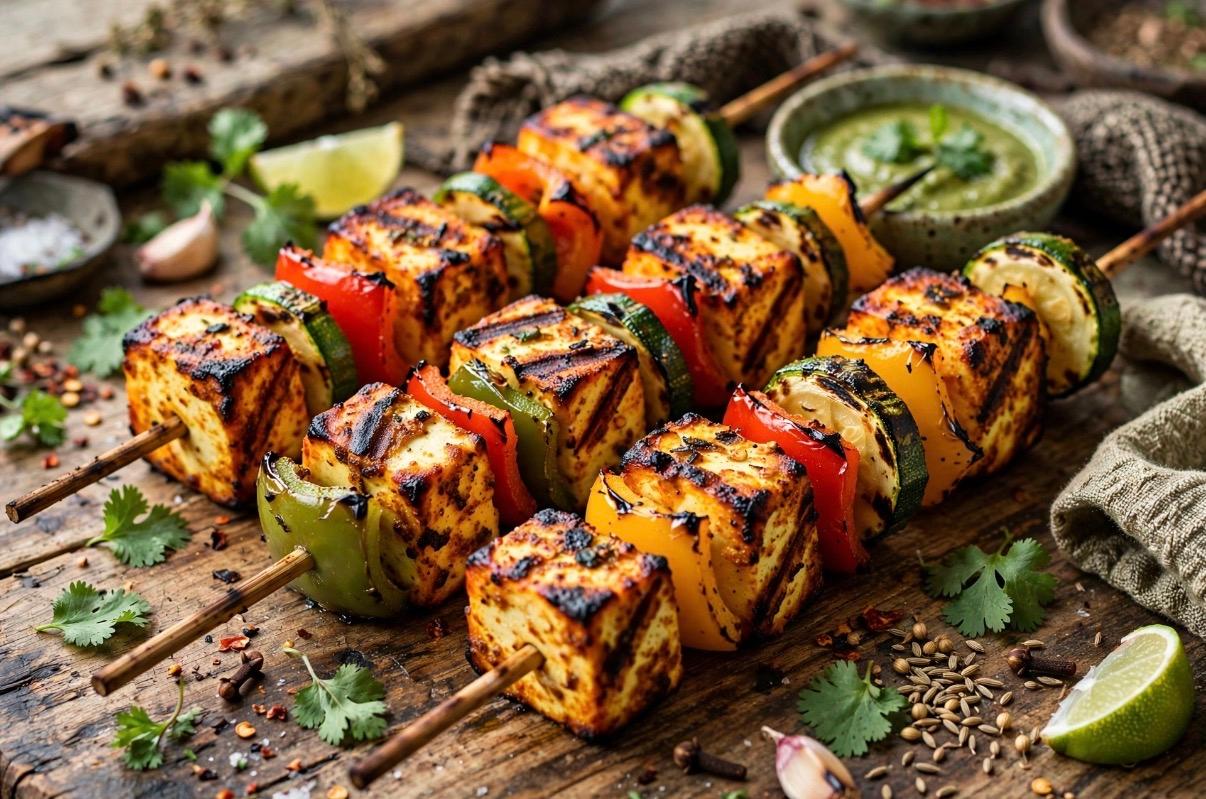
Grilled Paneer with Bell peppers and Zucchini Skewers

Grilled skewers are a simple way of turning a few pantry staples into dinner that feels indulgent without being heavy. This version uses cubes of paneer with bell peppers and zucchini, all coated with a quick curd based marinade instead of a heavy sauce. It comes together in under thirty minutes, needs nothing more than a pan or a grill, and can be enjoyed either as a stand alone dinner or as a side with a light dal. Nutritional Benefits Paneer is a good source of protein and calcium to support muscle repair and bone strength. Bell peppers and zucchini add fibre, vitamin C and antioxidants, while a simple spice marinade keeps the dish free of added sugar.

25 min 690 kcal
Bell pepper
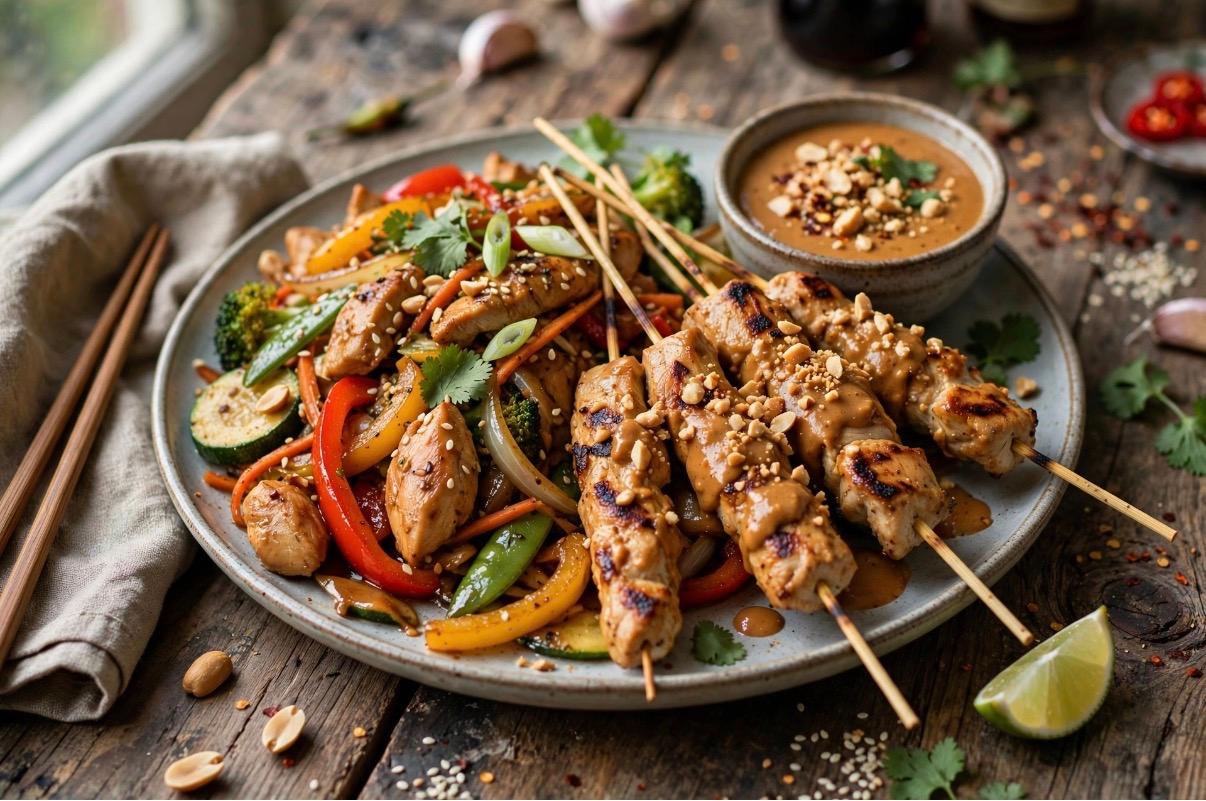
Chicken Satay Stir Fry

This one-wok dinner brings together tender chicken, pumpkin, and broccolini in a rich peanut and coconut sauce inspired by classic satay flavours. Everything cooks in a single pan, which keeps cleanup simple and makes it a practical choice on a weeknight. The chicken is seared first for good colour, then the vegetables are added so they hold their texture and soak up the sauce. From start to finish, the whole dish comes together in well under 30 minutes. Nutritional Benefits Chicken is a first-class protein that builds muscle and strengthens bone. Peanuts help maintain healthy cholesterol and blood sugar levels and are rich in vitamins, minerals, and healthy fats that promote good skin and hair. The vegetables provide fibre and antioxidants to keep you full for longer.

15 min 275 kcal
Chicken
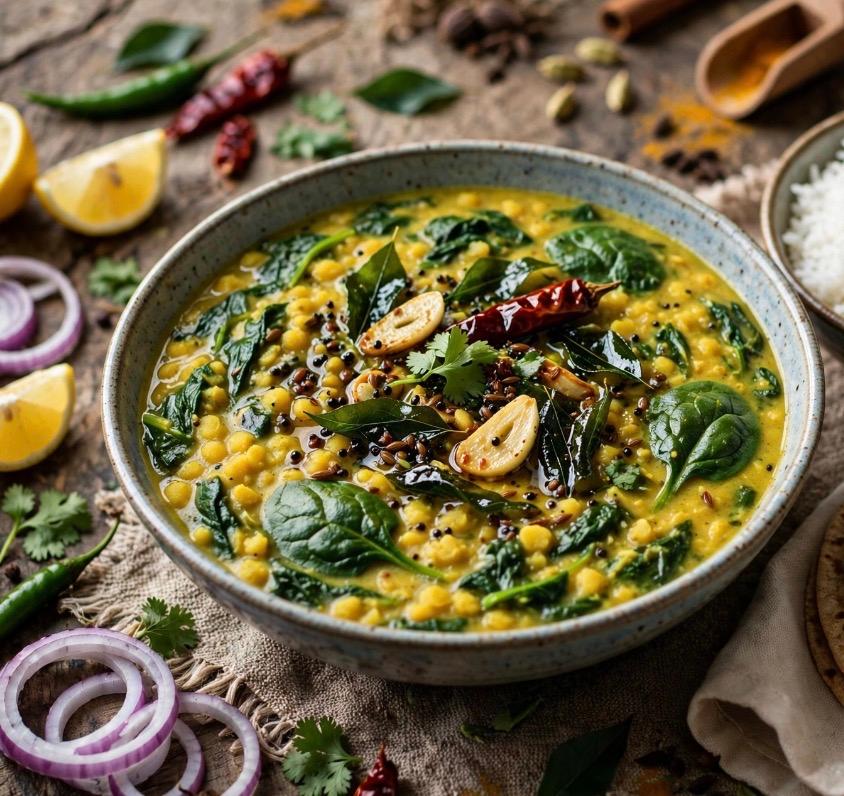
Arhar Dal with Spinach

Arhar dal with Spinach is a simple and nutritious dal mainly made with arhar dal and spinach. This mindly spiced recipe is a storehouse of nutrients since dal is rich in protein and spinach is rich source of calcium. NUTRITIONAL BENEFITS: Spinach is a dark, leafy green vegetables that is an excellent source of Vitamin A, K and C, magnesium, iron and manganese.

15 min 117 kcal
Dal
617 kcal
Millet
50 min 1135 kcal
Shrimp