
5 Food and Nutrition Myths Explained!
13 Nov 2026
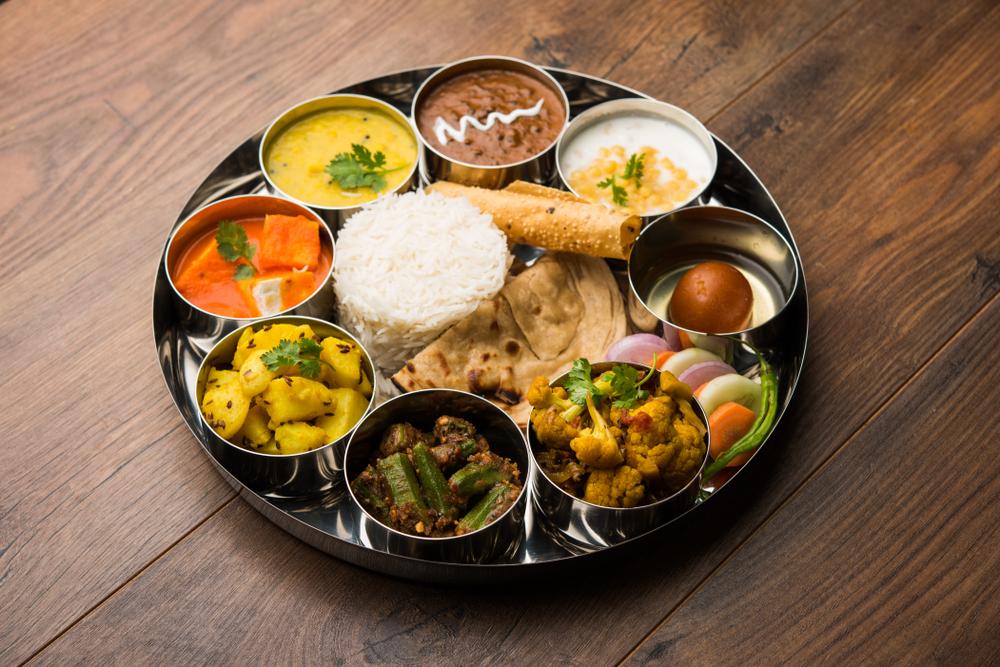
We are bombarded with health advice surrounding food! Often it can be conflicting but is given by people who genuinely care about our health. This post will explain 5 common food and Nutrition myths with consideration to why they are there. I will highlight what the research shows, where there is still research being done and that we all have different individual requirements.
Why myths exist
Most myths will have some truth to them. A food may have actually been high in a certain nutrient, or you may have felt better after making a change. Or even the initial research may have shown some correlation. Often the myths are very simple and easy to understand, plus if they come from someone we trust such as our grandparents/colleagues/online influencers.
Nutrition is an ever evolving field so it can sometimes feel like advice changes every year. This is just how research works!
Myth 1: Detoxes/Juice cleanses
The myth
Detoxing/juice cleansing will help remove toxins.
The truth
Many people feel sluggish after a period of eating rich foods or irregularly. Many detox products promise this, and eating light for a couple of days will make you feel different.
The research
Our bodies naturally detox everyday via our liver, kidneys, gut and skin. There is little evidence to show that detox products are helping to remove any extra. The rapid change we feel is mostly due to water.
A better way to think
Eating regular meals, high fibre foods, drinking enough fluids, sleeping well and staying active will help these organs.
Myth 2: Eggs
The myth
Eggs are bad for your heart.
The truth
Eggs are high in cholesterol, so for many years we were told to avoid them for our heart health.
The research
Everyone reacts differently to the cholesterol in our diets. With current research, eating moderate amounts of eggs aren’t strongly correlated to heart issues. Overall, it tends to be more about our overall diet and what we are eating them with.
A better way to think
An egg with vegetables and roti will be a much better addition to your diet than with highly fried/processed foods. If you have diabetes, high cholesterol, heart issues or a family history of heart issues please follow your doctor's advice.
Myth 3: Natural sugars
The myth
Jaggery/honey etc. are healthy sugars.
The truth
They are less processed and have been used in Indian cooking and home remedies for a long time, so we see them as healthy.
The research
They are still added. Jaggery doesn’t contain enough minerals to be a significant source of nutrients. Just because they’re natural/unrefined doesn’t mean they’re free foods.
A better way to think
Traditional sweets can be enjoyed in moderation.
Myth 4: Rice/Roti
The myth
Carbs like rice and roti are bad.
The truth
Refined and sugary foods are high in carbs so some people have blamed all carbs.
The research
Carbs are our main source of energy and staples have been part of Indian households for generations. It depends on what type of carbs you are eating, portion sizes and what you are eating them with.
A better way to think
Rice/roti pairs well with dal, vegetables, curd and other proteins. Wholegrains and millets can be added for variety.
Myth 5: Gluten free
The myth
Gluten free is healthier.
The truth
Gluten free products are marketed as lighter and better. Some people will feel better when removing gluten.
The research
A gluten free diet is necessary for people with Coeliac disease or a diagnosed gluten intolerance. However, packaged gluten free foods aren’t necessarily healthier. They can be higher in sugar/fat.
A better way to think
If you’re going to remove gluten, please get tested first. Removing gluten without getting tested can hide a diagnosis.
How to identify food myths
A few things to look out for:
Watch out for words like ‘toxins,’, ‘magic’, ‘secret’ and "doctors don't want you to know."
Who is the claim benefiting? Are they trying to sell you something, or have a sponsor? Are they trying to grow their following?
Look for evidence outside of one study/influencer.
Remember ‘natural’ doesn’t mean safe.
If the claim relates to a health issue, ask your registered dietitian/doctor.
Most everyday Indian foods can easily be included in a balanced diet:
Dals are a great source of protein and fibre and best served with rice/roti.
Eggs are a high source of protein and pair well with vegetables and grains.
Rice is a great staple source of energy. Best served with dal, vegetables and curd.
Roti is a great everyday staple that works well with vegetables and proteins.
Millets can be added to give variety.
Curd is a great source of protein and pairs well with main meals.
Seasonal fruits and vegetables provide fibre, colour and variety.
Nuts and seeds add texture and variety of nutrients.
When to see a doctor
If you have diabetes, kidney issues, heart issues, coeliac disease, food allergies, are pregnant, have a history of eating disorders or other medical issues please see a doctor/registered dietitian before making any changes to your diet. We all have different needs and they will be able to personalise advice for you.